
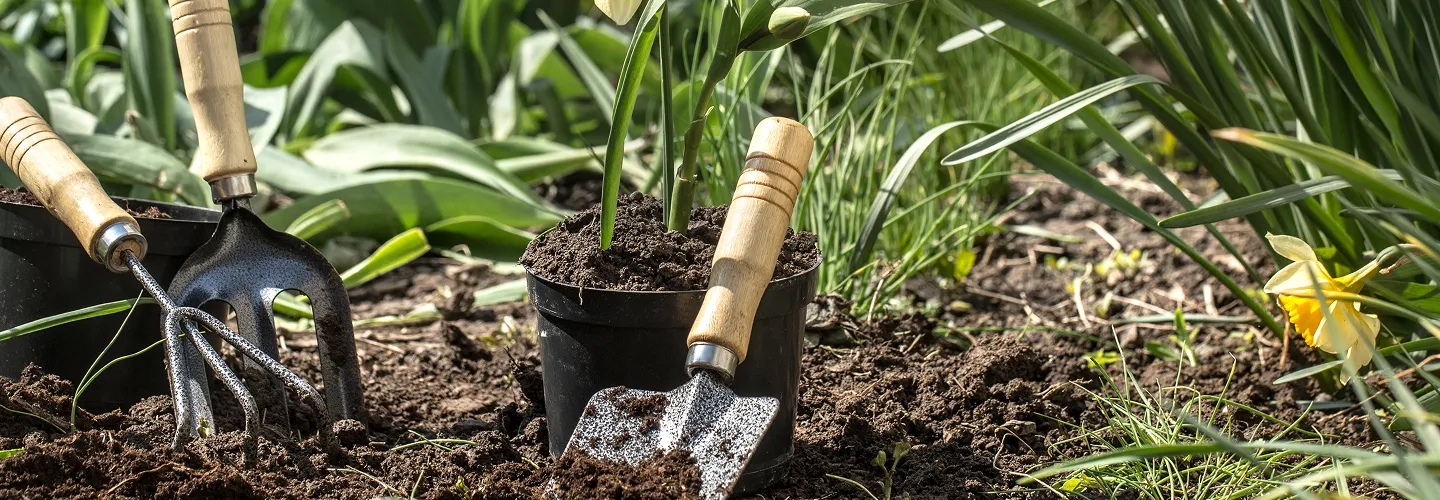
Kennesaw Green Waste Disposal Services
Choose our Green Waste Disposal for reliable, environmentally responsible service that keeps your property clean while supporting a healthier planet. We make it easy to dispose of yard debris and organic waste the right way.
Get a Free QuoteOur Kennesaw Landscaping & Yard Care Services
When to Schedule Green Waste Disposal in Kennesaw, Georgia – Seasonal Guide
In Kennesaw, Georgia, the best times to schedule green waste disposal are closely tied to our region’s unique climate and landscape. Spring and late fall are optimal, as these periods align with peak yard maintenance activities and the natural cycles of local vegetation. For example, neighborhoods near Swift-Cantrell Park and Legacy Park often see increased green waste after spring growth spurts and autumn leaf drop. Kennesaw’s last frost typically occurs in late March, making early April ideal for post-winter cleanup, while late October to early November is perfect for pre-winter yard preparation.
Local environmental factors such as high summer humidity, occasional drought conditions, and the prevalence of clay-heavy soils can all impact the timing and frequency of green waste removal. Areas with dense tree coverage, like those around Kennesaw Mountain, may require more frequent service, especially after storms or during periods of rapid growth. For more information on local waste guidelines, visit the official municipal resource.
Local Factors to Consider for Green Waste Disposal in Kennesaw
- Tree density and types of vegetation in your yard
- Proximity to shaded areas or open, sun-exposed lawns
- Seasonal precipitation patterns and drought risk
- Soil composition, especially in clay-rich neighborhoods
- Municipal restrictions and scheduled pickup dates
- Terrain and ease of access for disposal vehicles
Benefits of Green Waste Disposal in Kennesaw

Eco-Friendly Landscaping Solutions
Efficient Green Waste Removal
Promotes Healthy Plant Growth
Reduces Landfill Waste
Improves Curb Appeal
Supports Sustainable Practices
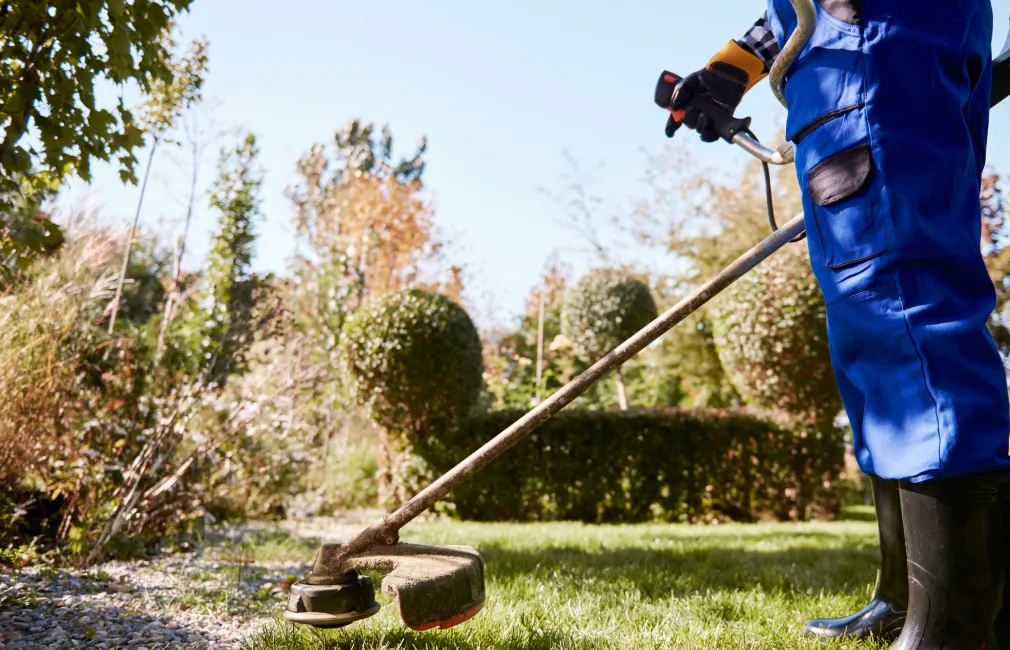
Kennesaw Green Waste Disposal Types

Grass Clippings
-
Tree Branches
-
Leaves Collection
-
Shrub Trimmings
-
Garden Debris
-
Mulch Removal
-
Yard Waste Bags
Our Green Waste Disposal Process
Collection of Green Waste
Sorting and Separation
Transport to Disposal Facility
Eco-Friendly Processing
Why Choose Kennesaw Landscape Services

Kennesaw Homeowners Trust Us
-
Expert Lawn Maintenance
-
Reliable Scheduling
-
Competitive Pricing
-
Professional Team
-
Satisfaction Guarantee
-
Personalized Service
-
Locally Owned and Operated
Kennesaw's Yard Waste Collection Procedures and Public Works Coordination
Kennesaw's Public Works Department oversees sanitation and green waste collection services for residential properties within city limits. Yard waste accepted through curbside collection typically includes grass clippings, leaves, small branches, and garden trimmings. Residents should be aware of the following standard preparation requirements to ensure timely pickup:
- Branches must generally be cut to lengths no greater than 4 feet and bundled securely
- Loose leaf and clipping material should be bagged or containerized separately from household trash
- Oversized loads or bulk brush resulting from storm events may require a separate haul-out request
- Green waste must not be mixed with construction debris, household garbage, or hazardous materials
Placement at the curb — not in the street or blocking storm drains — is required. Residents managing large-scale cleanups or post-storm debris should confirm current collection schedules and any special pickup procedures directly with the Public Works Department, as service windows and volume limits may vary seasonally.
Kennesaw Public Works Department
2529 J.O. Stephenson Avenue, Kennesaw, GA 30144
Phone: (770) 424-8274
Official Website: Kennesaw Public Works Department
Protecting Kennesaw's Stormwater Inlets and Creek Corridors During Green Waste Removal
Kennesaw sits within the Upper Etowah and Noonday Creek watersheds, both of which are sensitive to nutrient loading and sediment runoff from residential and commercial properties. Improper disposal of yard waste — including grass clippings blown into gutters, leaves piled near drainage inlets, or brush dumped along creek banks — can contribute to blockages, elevated nutrient levels, and downstream water quality degradation. The Georgia EPD Watershed Protection Branch monitors water quality across these corridors under Georgia Water Quality Standards.
Practical steps to protect local drainage infrastructure during green waste disposal include:
- Keep all yard debris at least 10–15 feet from storm drain inlets, ditches, and creek banks
- Avoid blowing or raking clippings into roadway gutters or drainage swales
- Bag or contain loose material before transport to prevent wind scatter
- Do not deposit any organic material along Noonday Creek or its tributary channels
Compliance with the Clean Water Act and local stormwater ordinances is required for all disposal activities affecting public drainage infrastructure.
How Kennesaw's Piedmont Red Clay Soils Affect Green Waste Volume and Composting Suitability
Kennesaw lies within Georgia's Piedmont physiographic region, where soils are predominantly Cecil and Appling series — dense, acidic red clay and clay-loam profiles with limited natural drainage and high compaction potential. According to the USDA Web Soil Survey, these soils typically have a pH range of 5.0–6.0 and slow permeability, which affects how organic material breaks down on-site. Residents considering backyard composting of green waste should account for:
- Slow decomposition rates in compacted clay-heavy yards with poor aeration
- The need to layer green waste (nitrogen-rich) with brown material (carbon-rich) at roughly a 1:3 ratio
- Turning compost piles every 2–3 weeks during Kennesaw's warm, humid summers to accelerate breakdown
- Avoiding compost placement in low-lying areas prone to standing water, which is common in older Kennesaw subdivisions with graded clay fill
UGA Cooperative Extension provides regionally specific composting guidance suited to Piedmont Georgia soil conditions and is a reliable resource for residents managing organic material on-site rather than through curbside collection.
Kennesaw Code Enforcement Standards for Overgrown Vegetation and Debris Accumulation
Kennesaw's Code Enforcement Division enforces property maintenance standards that directly affect how green waste and yard debris must be managed on residential and commercial lots. Unmanaged accumulations of cut vegetation, brush piles, or decomposing organic material can constitute a code violation under the city's nuisance and property maintenance ordinances. Key compliance points include:
- Grass and weeds on maintained lots must generally be kept below 12 inches in height
- Accumulated yard debris left on a property for extended periods may be cited as a nuisance condition
- Brush or limb piles stored on-site between collection cycles should be contained and not visible from the right-of-way in ways that suggest abandonment
- Vacant lots are subject to the same vegetation and debris standards as occupied properties
Property managers overseeing multiple Kennesaw addresses should establish a regular green waste removal schedule to remain in compliance. Violations may result in written notice, fines, or city-initiated abatement with cost recovery. Confirm current thresholds and enforcement procedures with the Code Enforcement Division.
Kennesaw Code Enforcement
2529 J.O. Stephenson Avenue, Kennesaw, GA 30144
Phone: (770) 424-8274
Official Website: Kennesaw Code Enforcement
Seasonal Green Waste Volumes in Kennesaw and Timing Considerations for Disposal
Kennesaw falls within USDA Plant Hardiness Zone 7b, as confirmed by the USDA Plant Hardiness Zone Map, with average minimum winter temperatures ranging from 5°F to 10°F. The city's warm, humid summers and mild shoulder seasons produce extended periods of active vegetation growth, generating significant green waste volumes across multiple seasons. Residents and property managers should anticipate the following disposal peaks:
- Spring (March–May): Heavy leaf emergence, pruning of winter-damaged growth, and warm-season turf green-up generate large volumes of clippings and trimmings
- Summer (June–August): Rapid turf growth under heat and humidity requires frequent mowing; clipping volumes are highest during this period
- Fall (October–November): Leaf drop from deciduous trees — particularly in wooded neighborhoods near Kennesaw Mountain — creates the highest single-season debris load
- Post-storm periods: Thunderstorm and wind events common in late spring and summer can produce sudden surges of branch and limb debris requiring prompt removal
Planning disposal logistics around these seasonal peaks — including scheduling additional haul-out requests in advance — helps avoid curbside accumulation that may trigger code concerns or block drainage infrastructure.
What Neighborhoods Do We Serve Throughout Kennesaw, GA?
- Kennesaw Mountain Area: Properties adjacent to Kennesaw Mountain National Battlefield Park generate substantial leaf and limb debris from mature hardwood canopy; wooded lot conditions require careful debris containment to avoid scatter into protected park corridors.
- Legacy Park: A large master-planned community with extensive common areas, ponds, and detention features; green waste disposal near stormwater infrastructure requires particular attention to inlet protection.
- Shiloh Hills and Shiloh Farms: Established subdivisions with mature tree cover and red clay soils; compacted fill in older sections can slow on-site decomposition and increase reliance on curbside collection.
- Town Center Area: Mixed residential and commercial corridor near Barrett Parkway with higher-density lots; right-of-way debris placement must account for pedestrian and traffic clearance.
- Bells Ferry Road Corridor: Transitional neighborhoods with a mix of older wooded lots and newer infill development; drainage ditches along this corridor require debris-free maintenance.
- Stilesboro Road Neighborhoods: Larger residential lots with significant tree canopy and seasonal leaf loads; proximity to Noonday Creek tributaries makes proper green waste containment especially important during fall cleanup periods.