
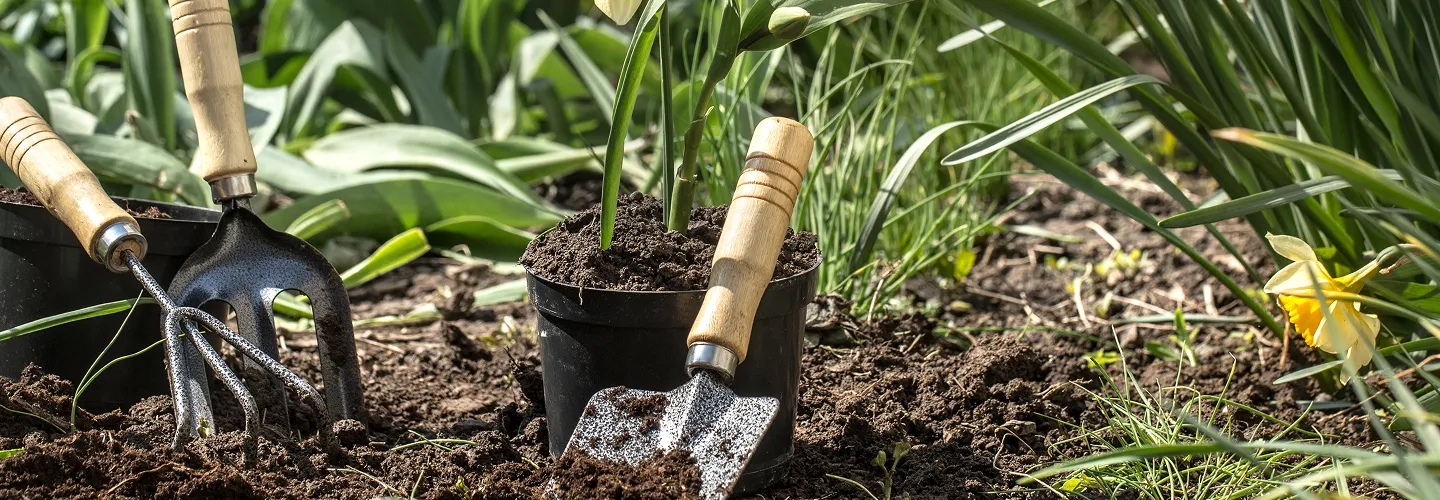
Kennesaw Flower Bed Maintenance Services
Choose our expert Flower Bed Maintenance for lush, healthy blooms and weed-free beds—enjoy a beautiful landscape without the hassle, backed by local professionals who care.
Get a Free QuoteOur Kennesaw Landscaping & Yard Care Services
When to Schedule Flower Bed Maintenance in Kennesaw, Georgia – Seasonal Guide
In Kennesaw, Georgia, the best times for flower bed maintenance are closely tied to our unique climate and landscape. With mild winters and hot, humid summers, most homeowners in neighborhoods like Legacy Park and near Kennesaw Mountain find that early spring and late fall are optimal for planting, mulching, and pruning. Spring maintenance should begin after the last frost date—typically in late March—while fall clean-up is best completed before the first hard frost in November. These windows help ensure plants are protected from sudden temperature shifts and have the best chance to thrive.
Local factors such as the region’s clay-heavy soils, frequent summer thunderstorms, and periods of drought can all impact the timing and type of care your flower beds need. Properties near Swift-Cantrell Park, for example, may experience more shade and moisture retention, while those closer to downtown Kennesaw might contend with compacted soils and higher foot traffic. For more information on local environmental guidelines, visit the official municipal resource.
Local Factors to Consider for Flower Bed Maintenance in Kennesaw
- Tree density and shade coverage, especially in established neighborhoods
- Soil composition (clay vs. loam) and drainage
- Seasonal precipitation patterns and drought risk
- Proximity to landmarks like Kennesaw Mountain or Swift-Cantrell Park
- Municipal restrictions on watering or chemical use
- Terrain slope and erosion potential
Benefits of Flower Bed Maintenance in Kennesaw
Enhanced Curb Appeal
Weed and Pest Prevention
Healthier Plant Growth
Seasonal Color Management
Professional Landscape Expertise
Increased Property Value
Kennesaw Flower Bed Maintenance Types

Seasonal Mulching
-
Weed Control
-
Soil Amendment
-
Edging and Trimming
-
Annual Flower Planting
-
Fertilization
-
Pest and Disease Management
Our Flower Bed Maintenance Process
Site Evaluation
Weed Removal
Soil Preparation
Plant Care
Mulching
Why Choose Kennesaw Landscape Services
Kennesaw Homeowners Trust Us
-
Expert Lawn Maintenance
-
Reliable Scheduling
-
Competitive Pricing
-
Professional Team
-
Satisfaction Guarantee
-
Personalized Service
-
Locally Owned and Operated
Kennesaw's Cecil and Pacolet Clay Soils and Their Effect on Flower Bed Drainage
Kennesaw sits within the Georgia Piedmont, where the predominant soil series identified through the USDA Web Soil Survey include Cecil, Pacolet, and Appling sandy clay loams. These soils are characteristically red, moderately to strongly acidic (pH typically ranging from 5.0 to 6.0), and prone to compaction in developed residential settings where topsoil has been disturbed or replaced with urban fill. For flower bed maintenance, these conditions create specific challenges:
- Compacted clay subsoil restricts root penetration and causes water to pool at the surface after rainfall
- Organic matter depletion in disturbed lots reduces nutrient availability for flowering plants
- Soil pH below 5.5 may limit uptake of phosphorus and calcium, affecting bloom quality
Property owners should incorporate 2–4 inches of compost into bed soil annually and consider a soil test through UGA Cooperative Extension to determine lime and fertilizer needs before each growing season. Kennesaw falls within USDA Hardiness Zone 7b, supporting a broad range of perennials and warm-season annuals when soil conditions are properly managed.
Seasonal Timing for Flower Bed Maintenance in Kennesaw's Piedmont Climate
Kennesaw's climate, monitored by the National Weather Service Atlanta/Peachtree City forecast office, features hot, humid summers with average July highs near 90°F and mild winters with occasional freezes between December and February. This climate pattern shapes the practical calendar for flower bed maintenance:
- Late February–March: Apply pre-emergent weed control to beds before soil temperatures reach 55°F; begin cool-season annual installation (pansies, snapdragons)
- April–May: Transition to warm-season annuals (impatiens, vinca, marigolds, zinnias) after last average frost date (mid-March in Kennesaw)
- June–August: Increase mulch depth to 3 inches to retain moisture and moderate soil temperature during peak heat; deadhead spent blooms every 7–10 days
- September–October: Divide and replant perennials; install cool-season color for fall display
- November–January: Cut back spent perennials, apply fresh mulch layer (2–3 inches) to protect root zones from freeze events
Timing bed fertilization to coincide with active growth periods—April through September—reduces nutrient runoff risk during dormant or wet periods.
Protecting Kennesaw Stormwater Infrastructure During Bed Maintenance Activities
Kennesaw's stormwater system, managed through the Kennesaw Public Works Department, includes a network of storm drains, detention ponds, and drainage corridors that connect to tributaries of Noonday Creek and other local waterways within the Etowah River watershed. Flower bed maintenance activities—including fertilizer application, pesticide use, and mulch placement—can introduce pollutants into this system if not managed carefully. Under the Clean Water Act and the EPA NPDES Program, municipalities are required to reduce pollutant discharge from stormwater systems, and residents share responsibility for preventing contamination at the source.
Practical precautions for bed maintenance near drainage features include:
- Maintain a minimum 10-foot buffer between fertilizer or pesticide application zones and storm drain inlets, curb cuts, or drainage swales
- Avoid applying granular fertilizers or herbicides within 24 hours of forecasted rainfall
- Contain mulch within bed borders to prevent displacement into gutters or storm drains
- Sweep or blow excess fertilizer granules off hard surfaces immediately after application
The Georgia EPD Watershed Protection Branch provides additional guidance on nonpoint source pollution prevention applicable to residential landscaping activities.
Kennesaw Public Works Department
2800 Jiles Road NW, Kennesaw, GA 30144
Phone: (770) 422-9714
Official Website: Kennesaw Public Works Department
Kennesaw Code Enforcement Standards for Overgrown and Unmaintained Flower Beds
Kennesaw's Code Enforcement Division, operating under Building Services, enforces property maintenance standards that apply to landscaped areas including flower beds. Unmaintained beds with excessive weed growth, dead plant material, or overgrown vegetation encroaching on sidewalks or rights-of-way may be subject to code violation notices. Property owners and managers should be aware of the following standards:
- Weeds and grass in landscaped areas must generally be kept below 12 inches in height to avoid nuisance vegetation violations
- Dead plant material and accumulated organic debris in beds should be removed promptly, particularly following seasonal transitions
- Beds adjacent to public sidewalks or street rights-of-way must not obstruct pedestrian visibility or access
- Mulch or bed materials must not be deposited onto public sidewalks, roadways, or drainage infrastructure
Violations may result in written notices with a specified correction period before fines are assessed. Property managers overseeing multiple residential or commercial properties in Kennesaw should establish a documented maintenance schedule to demonstrate ongoing compliance. Confirm current ordinance thresholds directly with the Code Enforcement Division, as specific numerical standards may be updated periodically.
Kennesaw Code Enforcement
2800 Jiles Road NW, Kennesaw, GA 30144
Phone: (770) 422-9714
Official Website: Kennesaw Code Enforcement
Georgia Pesticide Licensing Requirements for Professional Flower Bed Weed and Pest Control
When flower bed maintenance involves the application of pesticides—including herbicides for weed suppression, insecticides for pest management, or fungicides for disease control—Georgia law requires that commercial applicators hold appropriate licensing under the Georgia Pesticide Use and Application Act of 1976. The Georgia Department of Agriculture's Licensing, Certification and Employee Registration program administers these requirements. Property owners hiring contractors for bed maintenance in Kennesaw should verify that any firm applying pesticides holds a valid Georgia commercial pesticide applicator license in the appropriate category. Key points include:
- Unlicensed commercial pesticide application is a violation of state law regardless of product type or application method
- Licensed applicators must follow label directions, which are legally binding under federal and state law
- Integrated pest management (IPM) approaches—prioritizing cultural controls before chemical intervention—are recommended by UGA Cooperative Extension for residential bed management
- Spot treatment of weeds using targeted application reduces chemical load and minimizes runoff risk near Kennesaw's drainage corridors
Homeowners applying pesticides to their own property are not subject to the commercial licensing requirement but are still bound by product label instructions.
What Neighborhoods Do We Serve Throughout Kennesaw, GA?
- Legacy Park: A large master-planned community with mature tree canopy, established perennial beds, and HOA-maintained common areas; red clay soils and shaded bed conditions require careful plant selection and consistent mulch management.
- Shiloh Hills: An established residential area with older lots, compacted urban soils, and varied drainage patterns; flower beds near low-lying areas may experience seasonal waterlogging requiring amended soil and raised planting zones.
- Kennesaw Crossing: A mixed residential corridor near major roadways where beds adjacent to impervious surfaces require careful fertilizer and mulch containment to protect nearby storm drain inlets.
- Brookstone: A well-established subdivision with mature landscaping, significant shade from hardwood canopy, and HOA frontage standards that require consistent seasonal color rotation and weed suppression.
- Town Center area: Higher-density residential and mixed-use properties near Barrett Parkway with smaller bed footprints, frequent pedestrian traffic, and visibility standards tied to commercial corridor aesthetics.
- Noonday Creek corridor neighborhoods: Residential areas adjacent to Noonday Creek tributaries where stormwater buffer awareness is essential; pesticide and fertilizer applications near drainage features require particular care to comply with Georgia EPD Water Conservation guidance.