
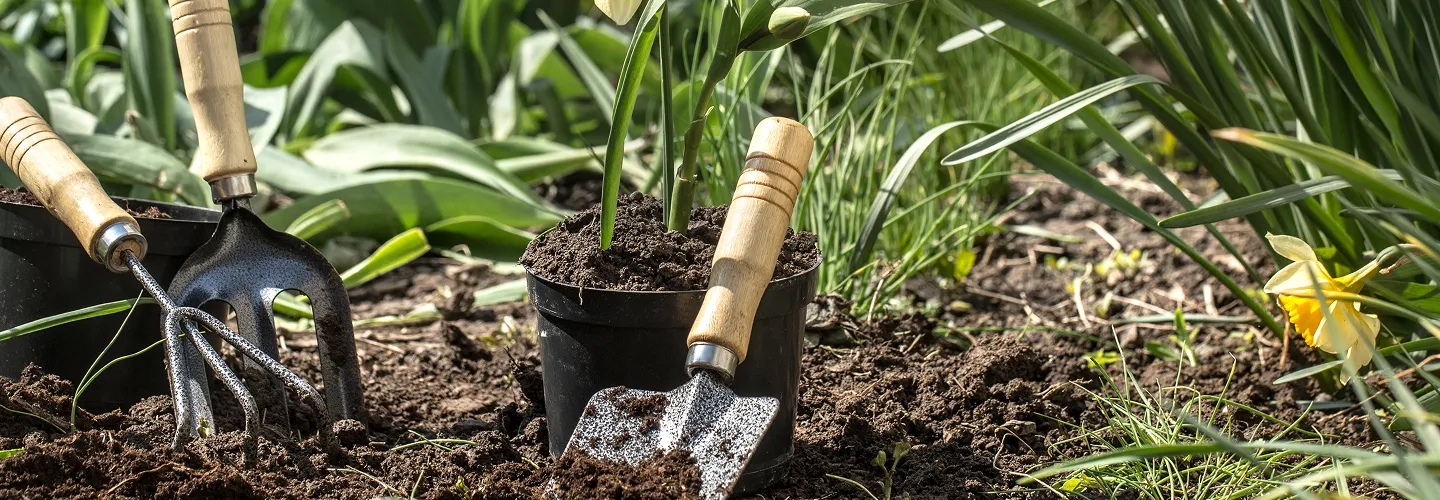
Kennesaw Lawn Grubs Control Services
Choose our Lawn Grubs Control for proven, effective treatments that safeguard your grass, restore your yard’s health, and prevent future infestations—ensuring a lush, beautiful lawn all season long.
Get a Free QuoteOur Kennesaw Landscaping & Yard Care Services
When to Schedule Lawn Grubs Control in Kennesaw, Georgia – Seasonal Guide
In Kennesaw, Georgia, the best time to schedule lawn grubs control is typically late spring through early summer, just before grubs hatch and begin feeding on grassroots. The region’s warm, humid climate and well-defined seasons mean that timing your treatment is crucial for effective results. For neighborhoods near Kennesaw Mountain National Battlefield Park or Legacy Park, where mature trees and shaded lawns are common, monitoring soil temperature and moisture is especially important.
Local environmental factors such as the last frost date—usually in early April—can influence when grubs become active. Areas with heavier clay soils, like those found in the Barrett Parkway corridor, may retain moisture longer, increasing grub risk. Additionally, periods of drought or high humidity, which are not uncommon in Kennesaw summers, can affect both grub activity and the effectiveness of control measures. For more information on local environmental guidelines, visit the Sudbury municipal resource.
Local Factors to Consider for Lawn Grubs Control in Kennesaw
- Tree density and shade coverage, especially in neighborhoods like Pinetree Country Club
- Soil type (clay vs. sandy loam) and drainage
- Seasonal precipitation patterns and drought risk
- Proximity to wooded areas or parks
- Municipal restrictions or recommended treatment windows
- Terrain slope and water runoff patterns
Benefits of Lawn Grubs Control in Kennesaw
Effective Grub Elimination
Healthier, Greener Lawns
Prevention of Turf Damage
Safe for Families and Pets
Expert Local Knowledge
Long-Lasting Protection
Kennesaw Lawn Grubs Control Types

Preventative Grub Treatments
-
Curative Grub Control
-
Organic Grub Management
-
Biological Grub Control
-
Chemical Insecticide Applications
-
Nematode Treatments
-
Seasonal Lawn Monitoring
Our Lawn Grubs Control Process
Inspection and Identification
Customized Treatment Plan
Targeted Application
Monitoring and Follow-Up
Why Choose Kennesaw Landscape Services
Kennesaw Homeowners Trust Us
-
Expert Lawn Maintenance
-
Reliable Scheduling
-
Competitive Pricing
-
Professional Team
-
Satisfaction Guarantee
-
Personalized Service
-
Locally Owned and Operated
Identifying White Grub Pressure in Kennesaw's Piedmont Red Clay Turf
White grubs — the larval stage of beetles such as the Japanese beetle (Popillia japonica) and masked chafer — are a persistent threat to warm-season turf in Kennesaw's Piedmont landscape. Kennesaw falls within USDA Hardiness Zone 7b, where beetle adults are active from late May through August, laying eggs in moist turf. The city's predominant soils, including Cecil and Appling series red clay loams documented through the USDA Web Soil Survey, retain moisture unevenly — creating localized zones of elevated grub pressure, particularly in low-lying areas and irrigated lawns. Property owners should monitor for:
- Spongy or lifting turf sections that pull back like loose carpet
- Irregular brown patches appearing in July through September
- Increased bird, mole, or armadillo activity indicating subsurface feeding
- Grub counts exceeding 8–10 per square foot, the general threshold for treatment action per UGA Cooperative Extension guidance
Early identification in June and July allows for the most effective preventive treatment window before larvae reach damaging third-instar size.
Optimal Grub Treatment Timing for Kennesaw's Summer Beetle Cycle
Timing is the most critical factor in effective grub control in Kennesaw. According to UGA Cooperative Extension turf management guidance, preventive insecticide applications are most effective when applied between late June and mid-July, targeting newly hatched first-instar larvae before they burrow deeper into the soil profile. Curative treatments, applied to larger third-instar grubs in late August through October, require higher-rate products and are generally less reliable. Kennesaw's warm, humid summers — with average July high temperatures near 90°F and seasonal rainfall patterns tracked by the National Weather Service Atlanta office — accelerate beetle egg-laying and larval development. Key timing benchmarks include:
- Preventive window: Late June through mid-July (targets first-instar larvae)
- Curative window: Late August through October (requires labeled curative products)
- Soil temperature threshold: Grubs move deeper below 60°F, reducing product efficacy
- Post-application irrigation: 0.5 inches of water within 24 hours is recommended to move active ingredients into the root zone
Avoid applications immediately before heavy rainfall events to prevent runoff into storm drainage systems.
Georgia Pesticide Licensing Rules for Professional Grub Control in Kennesaw
Pesticide applications for lawn grub control in Kennesaw are regulated under the Georgia Pesticide Use and Application Act of 1976, administered by the Georgia Department of Agriculture - Agricultural Pest Control division. Any professional applying restricted-use or general-use pesticides for hire must hold a valid Georgia pesticide applicator license or certification. Property owners hiring grub control services should verify that the applicator holds a current Georgia license in the appropriate category — typically Category 3 (Ornamental and Turf) — before allowing any chemical treatment on their property. Key compliance requirements include:
- Applicators must carry proof of licensure on-site during all applications
- Product labels are legally binding documents; applications must follow label rate and timing instructions
- Restricted-use pesticides require a certified applicator or direct supervision
- Records of pesticide applications must be maintained for a minimum of two years under Georgia law
Residents may verify applicator credentials through the Georgia Department of Agriculture's licensing portal.
Georgia Department of Agriculture
19 Martin Luther King Jr. Dr SW, Atlanta, GA 30334
Phone: (404) 656-3600
Official Website: Georgia Department of Agriculture - Agricultural Pest Control
Protecting Kennesaw Stormwater Infrastructure During Grub Control Applications
Kennesaw's stormwater management infrastructure — including detention ponds, drainage swales, and storm inlets throughout residential subdivisions — is directly at risk from pesticide runoff if grub control applications are not managed carefully. The Kennesaw Public Works Department oversees municipal stormwater systems, and applicators must take precautions to prevent chemical discharge into these systems in compliance with the Clean Water Act and EPA NPDES Program requirements. The Georgia EPD Watershed Protection Branch also monitors water quality in Cobb County's watershed areas. Practical precautions include:
- Maintain a minimum 10-foot buffer from storm drain inlets, drainage ditches, and detention pond edges during application
- Do not apply granular or liquid insecticides when rainfall exceeding 0.5 inches is forecast within 24 hours
- Irrigate treated areas with the minimum labeled water volume to activate product without generating runoff
- Avoid applications on slopes greater than 10% where surface flow toward drainage features is likely
- Confirm that treated areas are not within mapped floodplain or wetland buffer zones before application
Kennesaw Public Works Department
2529 J.O. Stephenson Ave, Kennesaw, GA 30144
Phone: (770) 424-8274
Official Website: Kennesaw Public Works Department
How Kennesaw's Soil Moisture and Irrigation Patterns Affect Grub Pressure
Kennesaw's Cecil and Appling series soils — red clay loams common throughout the Piedmont region — exhibit moderate to slow drainage, which creates conditions favorable for beetle egg-laying and larval survival during summer months. Irrigated lawns in Kennesaw subdivisions are particularly susceptible because consistent soil moisture at the 1–3 inch depth is the primary driver of female beetle oviposition site selection. The Cobb County Water System manages water utility services for much of Kennesaw, and residents should be aware that overwatering during June and July can significantly increase grub pressure. Integrated management recommendations include:
- Reduce irrigation frequency to the minimum needed for turf health during peak beetle flight (June–August)
- Allow soil surface to dry between irrigation cycles to discourage egg-laying
- Aerate compacted clay areas in spring to improve drainage and reduce moisture retention at the egg-laying depth
- Monitor irrigated zones separately from non-irrigated areas, as grub populations often concentrate in consistently moist turf
- Consult UGA Cooperative Extension publications for Piedmont-specific irrigation and integrated pest management guidance
What Neighborhoods Do We Serve Throughout Kennesaw, GA?
- Legacy Park: This large master-planned community features extensive irrigated turf areas and detention pond corridors, creating conditions that support elevated grub pressure during summer beetle flight periods.
- Shiloh Hills: Established residential lots with mature tree canopy and red clay soils that retain moisture unevenly, making targeted grub monitoring and spot treatment particularly important.
- Kennesaw Crossing: Newer subdivision development with compacted fill soils and active irrigation systems that can concentrate beetle oviposition activity in maintained lawn areas.
- Pinetree Country Club area: Golf-adjacent residential properties with well-maintained warm-season turf that requires careful preventive grub management to protect established bermudagrass and zoysia stands.
- Stilesboro Road corridor: Mixed residential and transitional properties with varying soil drainage characteristics and proximity to wooded edges where beetle populations emerge seasonally.
- Downtown Kennesaw / historic core: Older residential lots with established turf, variable soil compaction, and limited irrigation infrastructure, requiring curative treatment approaches when grub damage is detected late in the season.