
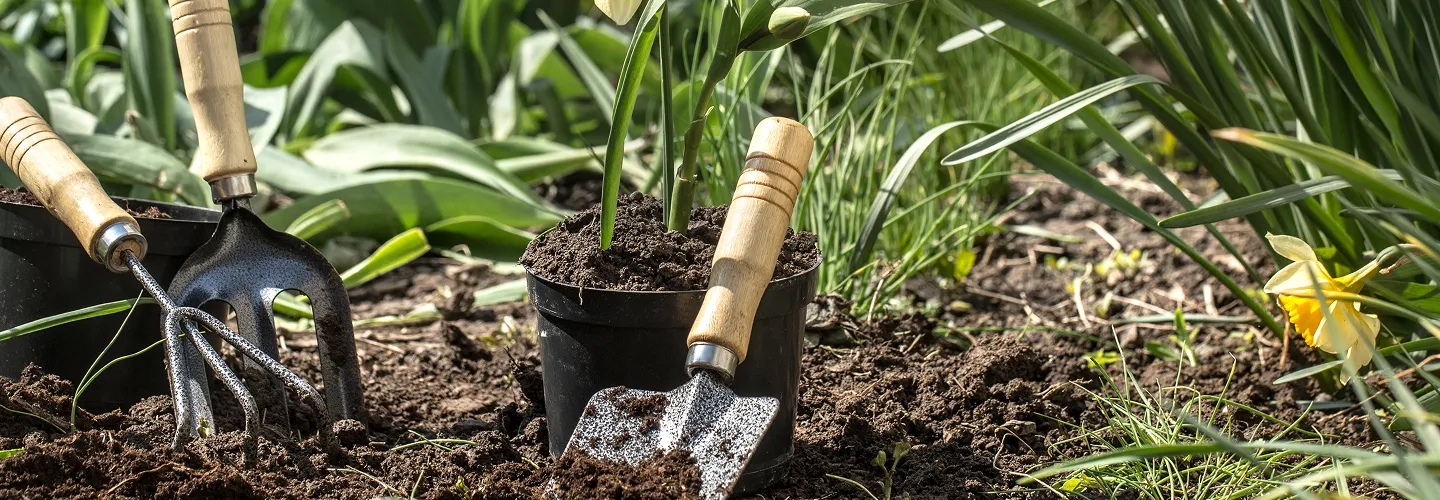
Kennesaw Lawn Renovation Services
Choose our Lawn Renovation services for expert care, proven results, and a lush, healthy yard that stands out in your neighborhood. We combine local expertise with premium materials to transform tired lawns into vibrant, thriving landscapes you’ll love.
Get a Free QuoteOur Kennesaw Landscaping & Yard Care Services
When to Schedule Lawn Renovation in Kennesaw, Georgia – Seasonal Guide
In Kennesaw, Georgia, timing your lawn renovation is crucial for achieving a lush, healthy yard that thrives year-round. The best periods for renovation typically fall in late spring and early fall, when soil temperatures are optimal for seed germination and root development. Kennesaw’s climate, characterized by warm, humid summers and mild winters, means that cool-season grasses benefit from renovation in September or October, while warm-season varieties like Bermuda or Zoysia respond best to work done from late April through June. Local neighborhoods such as Legacy Park and the areas surrounding Kennesaw Mountain often experience microclimates due to elevation and tree coverage, which can influence the ideal renovation window.
Environmental factors unique to Kennesaw—such as the risk of late spring frost, summer droughts, and the region’s clay-heavy soils—play a significant role in determining the best time for lawn care. Homeowners should also consider shade from mature oaks and pines, especially in established communities like Barrett Parkway, as well as municipal watering restrictions. For more detailed local guidelines, consult resources like the Sudbury town website.
Local Factors to Consider for Lawn Renovation in Kennesaw
- Tree density and shade coverage, especially in neighborhoods with mature landscaping
- Soil type and drainage, with much of Kennesaw featuring compacted clay soils
- Seasonal precipitation patterns and risk of summer drought
- Frost dates, typically late March to early April
- Terrain variations, such as slopes near Kennesaw Mountain
- Municipal watering schedules and restrictions
Benefits of Lawn Renovation in Kennesaw

Enhanced Curb Appeal
Improved Soil Health
Weed and Pest Reduction
Thicker, Greener Grass
Increased Property Value
Customized Lawn Solutions

Kennesaw Lawn Renovation Types

Sod Installation
-
Overseeding
-
Aeration and Topdressing
-
Soil Amendment
-
Weed and Pest Control
-
Grading and Drainage Solutions
-
Complete Lawn Replacement
Our Lawn Renovation Process
Site Evaluation
Soil Preparation
Seeding or Sodding
Watering and Fertilization
Ongoing Maintenance
Why Choose Kennesaw Landscape Services

Kennesaw Homeowners Trust Us
-
Expert Lawn Maintenance
-
Reliable Scheduling
-
Competitive Pricing
-
Professional Team
-
Satisfaction Guarantee
-
Personalized Service
-
Locally Owned and Operated
Kennesaw's Cecil and Appling Clay Soils and Lawn Renovation Preparation
Kennesaw sits within Georgia's Piedmont region, where the predominant soil series identified through the USDA Web Soil Survey include Cecil, Appling, and Madison clay loams — dense, red-clay soils with low organic matter and poor infiltration rates. These conditions directly affect lawn renovation outcomes. Before overseeding or resodding, property owners should:
- Conduct a soil pH test through UGA Cooperative Extension; Kennesaw soils typically register between 5.0 and 6.0, often requiring lime applications of 50–100 lbs per 1,000 sq ft to reach the 6.0–6.5 target for warm-season turf
- Perform core aeration at depths of 3–4 inches to fracture compacted clay layers before seeding or sod installation
- Incorporate 2–3 inches of compost or organic matter to improve drainage and root penetration
- Allow amended soil to settle for 7–14 days before sod placement
Kennesaw falls within USDA Hardiness Zone 7b, and soil preparation should be completed before late spring heat sets in, ideally between March and early May for warm-season turf establishment.
Optimal Timing for Lawn Renovation in Kennesaw's Warm-Season Climate
Kennesaw's climate, monitored by the National Weather Service Atlanta/Peachtree City office, features hot, humid summers with average July highs near 90°F and mild winters with occasional freezes. These conditions dictate strict timing windows for successful lawn renovation:
- Warm-season turf (Bermuda, Zoysia, Centipede): Renovate between late April and mid-June, when soil temperatures consistently exceed 65°F and active growth supports rapid establishment
- Overseeding with ryegrass for winter cover: Apply between mid-October and early November, before first frost typically occurring in late November
- Sod installation: Most successful from May through August when warm-season grasses root aggressively; avoid installation during drought stress periods without supplemental irrigation
- Avoid renovation during drought: Cobb County Water System may impose outdoor watering restrictions during drought conditions; verify current schedules before scheduling irrigation-dependent renovation work
Newly renovated lawns require consistent moisture for the first 3–4 weeks, with light, frequent irrigation of approximately ¼ inch per application until root establishment is confirmed.
Cobb County Water System
660 South Cobb Drive SE, Marietta, GA 30060
Phone: (770) 419-6200
Official Website: Cobb County Water System
Protecting Kennesaw Stormwater Infrastructure During Lawn Renovation Work
Lawn renovation activities — including tilling, grading, dethatching, and sod removal — expose bare soil and generate significant runoff risk, particularly on Kennesaw's clay-heavy lots where infiltration is limited. The Georgia EPD Watershed Protection Branch and the federal Clean Water Act establish baseline standards for erosion and sediment control during land-disturbing activities. Property owners and contractors should observe the following practices:
- Install silt fencing or straw wattles along downslope edges before any soil disturbance begins
- Avoid disturbing more than 1 acre without a land disturbance permit; projects exceeding this threshold require an NPDES permit through Georgia EPD
- Keep bare soil exposure periods to a minimum; apply straw mulch or erosion blankets within 24 hours of grading
- Never direct soil, debris, or renovation waste toward storm drains, drainage ditches, or the stormwater infrastructure maintained by the Kennesaw Public Works Department
Kennesaw's stormwater system connects to local drainage corridors that flow toward Noonday Creek and its tributaries, making sediment containment a critical compliance obligation during any renovation project.
Kennesaw Public Works Department
2529 J.O. Stephenson Avenue, Kennesaw, GA 30144
Phone: (770) 424-8274
Official Website: Kennesaw Public Works Department
Kennesaw Code Enforcement Standards Affecting Lawn Renovation Projects
Property owners undertaking lawn renovation in Kennesaw must remain aware of municipal code standards enforced by Kennesaw Code Enforcement. During the renovation process, temporary conditions such as bare soil, dead turf, or debris accumulation can trigger code compliance concerns if left unaddressed for extended periods. Key standards to observe include:
- Grass and weeds on improved residential lots must not exceed 12 inches in height; renovation timelines should account for this standard during transition periods
- Debris, removed sod, and organic waste generated during renovation must not be stockpiled in the right-of-way or allowed to obstruct drainage features
- Renovation projects that involve grading, retaining wall construction, or significant soil movement may require review through Kennesaw Building Services before work begins
- Confirm whether any planned grading or drainage alteration requires a grading permit; scope and site conditions determine applicability
Property managers overseeing multiple units should coordinate renovation schedules to avoid simultaneous bare-soil exposure across adjacent lots, which amplifies runoff and code visibility concerns.
Kennesaw Building Services
2529 J.O. Stephenson Avenue, Kennesaw, GA 30144
Phone: (770) 424-8274
Official Website: Kennesaw Building Services
Georgia Fertilizer Standards Applicable to Post-Renovation Lawn Nutrition
Following lawn renovation, fertilizer applications are essential for turf establishment, but must comply with the Georgia Fertilizer Act of 1997, administered by the Georgia Department of Agriculture - Fertilizer program. This law governs labeling, nutrient content accuracy, and registration of fertilizer products sold and applied in Georgia. For post-renovation applications in Kennesaw, the following guidance applies:
- Apply starter fertilizer with a higher phosphorus ratio (e.g., 18-24-12) at sod or seed installation to support root development; confirm soil phosphorus levels via UGA Extension soil test before application
- Avoid nitrogen applications exceeding 1 lb of actual nitrogen per 1,000 sq ft per application during establishment to prevent runoff loading into Kennesaw's stormwater system
- Do not apply fertilizer within 10 feet of storm drains, drainage ditches, or water features
- Professional applicators must ensure fertilizer products are registered with the Georgia Department of Agriculture and that application rates conform to label instructions
Residents using licensed lawn care professionals should verify that contractors follow UGA Cooperative Extension nutrient management guidelines appropriate for Piedmont clay soils.
What Neighborhoods Do We Serve Throughout Kennesaw, GA?
- Legacy Park: A large master-planned community with varied lot sizes, mature tree canopy, and internal ponds and detention features; renovation projects here must account for HOA landscape standards and proximity to stormwater retention areas.
- Shiloh Hills: An established residential area with older compacted soils and moderate slopes; core aeration and organic amendment are typically necessary before successful overseeding or sod installation.
- Kennesaw Crossing: A mixed-age neighborhood near major corridors with urban fill soils common in redeveloped lots; soil testing is strongly recommended before renovation to identify fill composition and pH.
- Pinetree Country Club area: Wooded lots with significant shade from mature pines and hardwoods; turf selection must account for reduced sun exposure, and renovation timing should align with canopy leaf-out patterns.
- Bells Ferry Road corridor neighborhoods: Subdivisions along this corridor feature varying drainage conditions and proximity to Noonday Creek tributaries; sediment control during renovation is a priority in these areas.
- Downtown Kennesaw / historic residential blocks: Older lots with long-established compaction, narrow access, and limited staging space; renovation scope and equipment selection must reflect these site constraints.
- Stilesboro Road area subdivisions: Newer developments with fill soils and variable drainage; grading review through Kennesaw Building Services may apply to renovation projects involving significant soil movement on these lots.